
English| EUR
Suggested for you
More currencies
Choose a language
Portugal enforces strict marine mammal protection laws that govern all human interaction with wild dolphins. Mainland waters including Cascais fall under regulations designed to prevent disturbance to cetacean populations. Understanding these rules helps visitors plan responsible wildlife experiences.
Quick answer
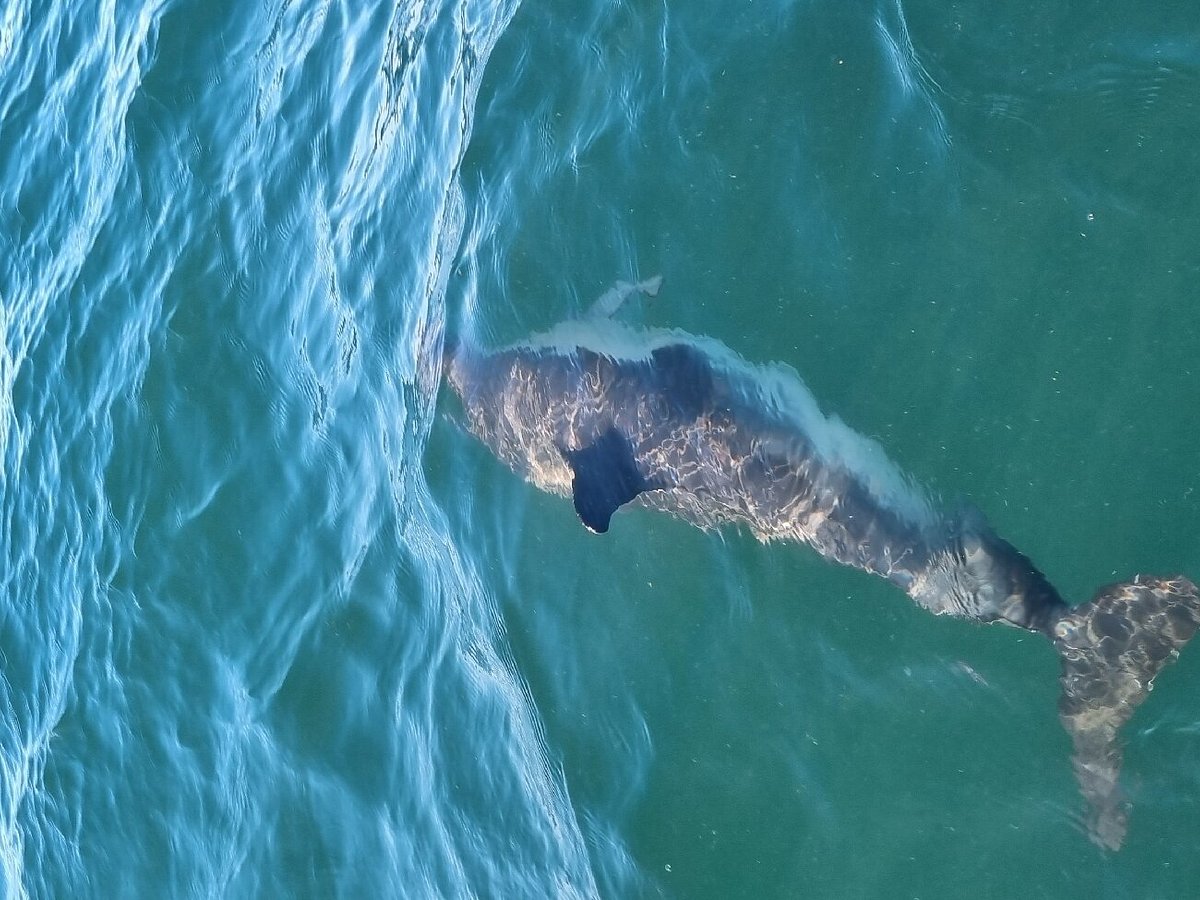
Swimming with wild dolphins is prohibited by law in mainland Portugal, including all waters off Cascais. Portuguese environmental legislation classifies cetaceans as protected species, making it illegal to enter the water with intent to interact with dolphins. Violations carry fines up to €45,000. Authorized dolphin-watching tours from vessels maintain mandatory 50-meter distance protocols. The Azores archipelago operates under separate regional rules that permit limited in-water observation under licensed guides, but these exceptions do not apply to continental Portugal.
Portuguese waters host resident populations of common dolphins, bottlenose dolphins, and occasional visiting species that migrate along the Atlantic corridor. These cetacean communities face pressures from vessel traffic, fishing activity, and coastal development, prompting the Portuguese government to adopt protective measures aligned with EU Habitats Directive standards. The legislation treats all approaches that alter natural dolphin behavior as disturbance, whether physical contact occurs or not. Cascais sits within the Sintra-Cascais Natural Park maritime extension, where marine biodiversity monitoring has documented dolphin pod activity since the 1990s. Research teams from Portuguese universities track these populations to assess health indicators and habitat use patterns. Their findings inform enforcement protocols that maritime police and environmental inspectors apply during patrol operations. Tour operators departing Marina de Cascais hold permits requiring crew training in cetacean approach guidelines and real-time reporting of sightings to national databases. The distinction between observation and interaction carries legal weight. Certified dolphin-watching excursions position vessels parallel to pod movement, cut engine speed below five knots within 200 meters, and avoid separating mothers from calves. Passengers remain onboard throughout encounters. Crew members explain dorsal fin identification methods, echolocation behavior, and feeding strategies visible at the surface. These educational frameworks replaced earlier tourism models that encouraged closer contact, reflecting shifting conservation priorities across Mediterranean and Atlantic member states. Visitors drawn to marine wildlife experiences in Cascais can access year-round observation departures, with spring and autumn migrations offering increased sighting frequency. Morning departures align with coastal feeding patterns when dolphin pods move closer to shore. The regulatory model protects both animal welfare and the long-term viability of responsible wildlife tourism, ensuring that future generations encounter thriving cetacean populations in Portuguese waters rather than depleted or habituated groups.
“Portuguese environmental legislation classifies cetaceans as protected species, making it illegal to enter the water with intent to interact with dolphins.”
The optimal window for wildlife observation is the morning arrival window of 09:00–11:00. This period typically offers the calmest sea conditions and higher visibility for spotting marine life.
15°C–20°C; calmer Atlantic swells. This period provides stable sea states for spotting common dolphins.
18°C–25°C; longest daylight hours. Waters are generally warm, though afternoon winds can increase surface chop.
17°C–22°C; mild temperatures. Marine activity remains high as the season transitions, often with clearer water conditions.
—; consistent morning calm. Choosing an early weekday slot minimizes boat traffic and optimizes observational focus.
Verdict: The best period for observing wildlife is weekday mornings during the shoulder months of April or October to benefit from lower boat traffic and calmer seas.
The Marina de Cascais operates daily to assist with visitor inquiries and maritime logistics. The facility is open seven days a week.
The departure point for all dolphin watching excursions is Marina de Cascais, located at Avenida Rei Humberto II de Itália, 2750-800 Cascais, Portugal. Visitors can easily reach this waterfront location via train from Lisbon or by walking from the Cascais town center.
CP Cascais Line from Cais do Sodré to Cascais Station
Scotturb lines to Cascais Terminal
A5 motorway towards Cascais
From Cascais train station to the marina
Upon arriving at the marina, proceed directly to the designated tour operator meeting points near the main pier. Public parking is available in the underground facility at Marina de Cascais for those traveling by private vehicle.
Everything you need to know about can you swim with dolphins in portugal
No, you cannot swim with dolphins in Portugal. Interaction with marine mammals in the wild is strictly prohibited to ensure the protection and well-being of the species.
While you may find advertisements for various activities, you cannot swim with dolphins in Portugal at any authorized facility or in the open ocean. Wildlife tours in the region focus strictly on observation and ecological education.
Swimming with wild dolphins is prohibited by law in mainland Portugal. Local regulations prioritize conservation, meaning operators strictly adhere to non-intrusive marine wildlife viewing practices.
You cannot book a tour to swim with dolphins in Portugal as these activities are illegal. Operators in Cascais offer boat excursions designed for respectful observation rather than direct physical contact with animals.
The best way to see marine life is to join a licensed boat excursion from the marina. These trips allow you to observe dolphins in their natural habitat from a respectful distance while following ethical guidelines.
When planning your visit, keep in mind that marine tourism is strictly regulated to protect wildlife. Focusing on observation-based excursions ensures you support responsible practices while enjoying the Atlantic coastline.